
Design and manufacturing by experience
For decades, product design and manufacturing relied heavily on team experience, assumptions, and cycles of trial and error. While this approach enabled important advances, it also meant high correction costs, long development times, and higher risk when launching products to market. I know this firsthand—many of the products I developed for my first clients, more than 10 years ago, were made exactly this way.
Today, the landscape is different. With process digitalization and real-time data availability, design teams can make faster decisions, reduce risks, and anticipate problems before they occur. The Data-Driven Design approach is not a trend but a competitive advantage: it distinguishes innovative companies from lagging ones; those with high costs and long cycles from those who manage budgets and timelines with efficiency.
From the traditional method to the data-driven approach
- Before: a prototype was designed, tested in lab conditions or with users, feedback was gathered, and adjustments were made. The cycle repeated over and over, consuming two of the three key resources—time and money—while chasing the third: functionality or quality.
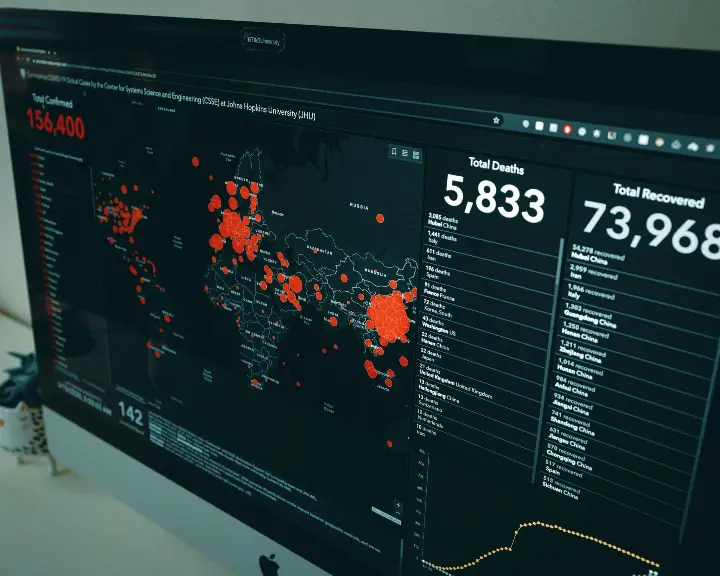
- Now: from the very first stage, sensors, usage logs, and systems are integrated to capture real data. With that information, teams can validate hypotheses, improve the product, and predict its behavior in the market. And while real-world testing is still indispensable, this data collection and analysis-driven development shortens many steps and stages—in other words, it makes the process more efficient.
Odoo PLM and IoT as enablers
In my experience, one of the keys to making this transition is integrating data into operations. Tools like Odoo PLM allow structured management of design versions, and with the IoT module, it’s possible to connect equipment, tests, or devices directly to the company’s database.
This prevents data from being trapped in isolated spreadsheets and instead links it with manufacturing, quality, inventory, and even after-sales service. Companies that create a new spreadsheet for every new problem may be on the right path (the path of analyzing data), but they are still missing the platform to actually turn that data into value.
Benefits of Data-Driven Design
- Reduced redesign costs by identifying issues before mass production.
- Faster innovation cycles with structured version control as the backbone.
- Greater accuracy in planning thanks to real usage data analysis.
- Stronger trust from investors and customers by showing that design decisions are evidence-based.
My personal learning
In projects where I integrated data collection and analysis from the early stages, the results were clear:
- Better communication across teams.
- Fewer surprises when moving from prototype to production.
- Valuable insights to guide business decisions, not just engineering.
On the other hand, when data was left aside, projects became more expensive, slower, and far less predictable.
Conclusion
The shift from traditional manufacturing to Data-Driven Design is not just a trend—it’s a necessary transformation for companies competing in dynamic, tech-driven markets. Data doesn’t replace creativity or vision, but it amplifies and grounds them. And when paired with the right tools, like Odoo PLM and IoT, data becomes the engine of innovation.
If you’re still managing version control or engineering change requests relying on memory and personal experience, you’re missing out on advanced tools that can make your work easier, faster, and more rewarding.
Is your organization looking to reduce risks and accelerate innovation in product development? Let’s connect to explore how integrating data and design can transform your manufacturing processes.