
In many companies—especially those operating through projects—there’s a quiet contradiction.
They maintain strict controls over facilities, fleet maintenance, inventory, equipment, and asset history…
yet they rarely apply the same rigor to their teams.
And still, the most expensive and most critical resource is not machinery, nor tools, nor vehicles—
it’s people, their time, their performance, and their well-being.
One area where this gap becomes clear is in the tracking of work injuries, accidents, sick leave, and any event that affects safety and operational continuity.
Odoo offers a structured, centralized way to manage this information.
A practical approach is to divide employee-related data into three groups:
1. Employee Information: Personal, Professional & Operational (Employees)
Odoo’s Employees module allows companies to maintain a complete and up-to-date profile of every person in the organization.
This includes:
- Personal and contact information
- Official documents and certifications
- Training, safety courses, and special qualifications
- Onboarding and offboarding processes
- Skills and job requirements
- Roles and project assignments
Having this information isn't just administrative housekeeping.
It becomes essential when analyzing incidents:
- Did the employee have the right training for the task where the injury occurred?
- Were any certifications expired?
- What was their assignment on that specific day?
- Is there a history of similar risks or notes in their record?
During a work injury investigation, these answers are no longer optional.
Moving from scattered spreadsheets and folders to Odoo lets companies reduce risk, improve accuracy, and respond faster.
2. Attendance, Punctuality & Time Use (Attendances + Projects)
Time is the most expensive resource in most businesses.
And yet, it’s usually the least measured.
The Attendances module allows companies to track:
- Clock-ins and clock-outs
- Total hours worked
- Late arrivals
- Geo-location of attendance (when using the mobile app)
When combined with the Projects module, a new layer of analysis becomes possible:
- How do absences impact project progress?
- Are late arrivals correlated with missed deadlines?
- Is workload properly distributed across the team?
In the context of an injury, these insights matter even more:
- Was the employee fatigued or overloaded in prior days?
- Were they logging more hours than planned?
- Were there early signals in their attendance history?
Without data, everything is speculation.
With data, decisions become evidence-based.
3. Time Off: Holidays, Vacation, Sick Leave & Injury Tracking
The Time Off module is often underestimated.
Many companies use it only to manage vacation days.
But its real power appears when also tracking:
- Sick leave
- Work injuries and medical recovery
- Doctor-recommended time off
- Safety-related absences
- Short-term and long-term incapacity
Accurate Time Off tracking allows companies to:
- Understand the real impact of injuries on project timelines
- Detect patterns in recurring incidents
- Identify whether overwork or lack of rest contributed to an accident
- Improve future project planning
- Meet compliance and reporting requirements
A proper record is both a legal protection and a well-being tool.
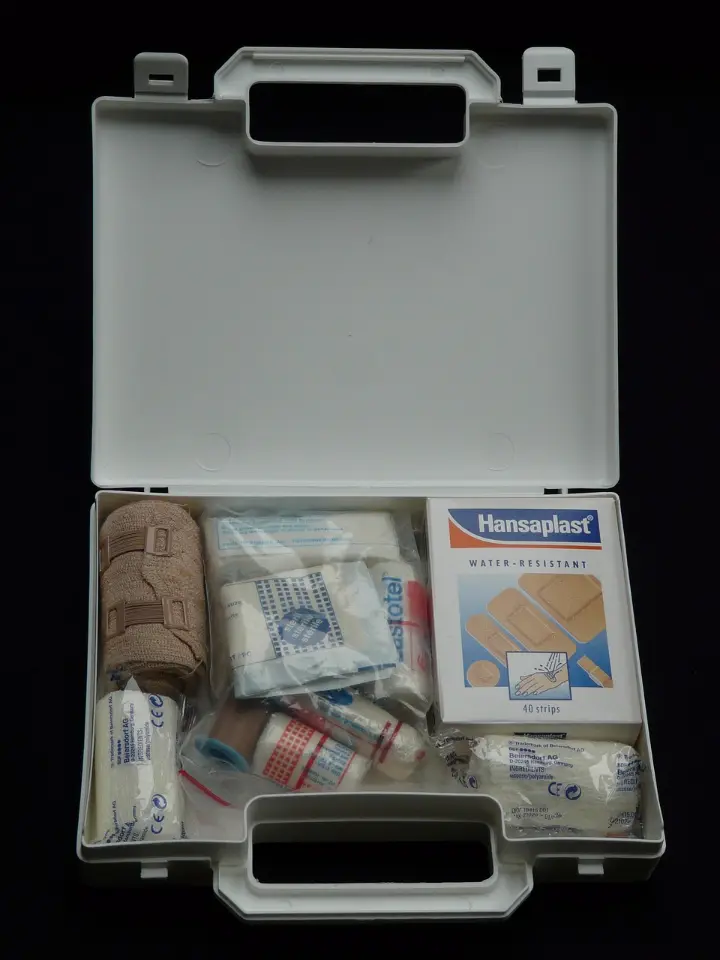
If You Track Your Assets, Track Your People Too
Many companies keep flawless maintenance logs for machinery, fleet vehicles, and building systems.
They know exactly when a part was replaced, what it cost, and who performed the service.
Yet human-related data remains dispersed across emails, memories, paper notes, and isolated spreadsheets.
The same rule applies here:
What isn’t measured can’t be controlled. What isn’t controlled can’t be improved.
Measuring your people’s data is not about surveillance.
It’s about clarity.
It’s about preventing risks, making better decisions, and strengthening the organization.
Odoo doesn’t only help record injuries—
used well, it helps reduce them.
If you’re exploring how Odoo can help you structure employee data, track time, record injuries, or build a safer and more data-driven operation, this type of work is part of what I do every day.
At dagaa, I help U.S. companies adopt Odoo and turn their operational data—sometimes years of it—into clarity and better decisions.
And if you’re reading this from a company looking for someone who understands both people operations and data systems, I’m always open to new conversations.